
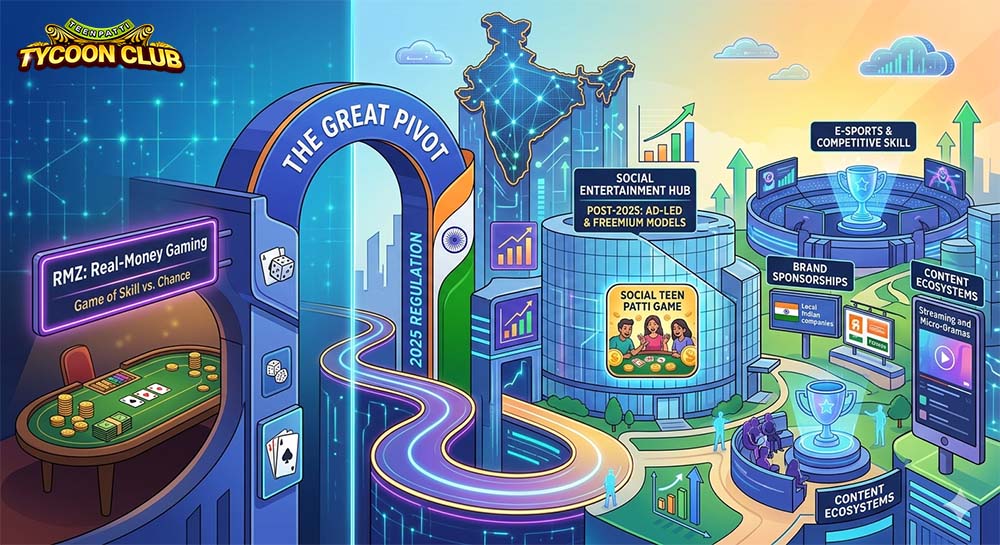
The Indian digital landscape witnessed a tectonic shift in 2025. For over a decade, the online gaming sector was the “poster child” of India’s startup economy, growing at a breakneck CAGR of nearly 30%. However, the introduction of the Promotion and Regulation of Online Gaming Act, 2025, fundamentally altered the rules of the game.
By early 2026, the industry has transitioned from a high-stakes “Real-Money Gaming” (RMG) hub to a diversified digital entertainment ecosystem. This article explores the death of the old guard, the rise of the new social gaming era, and the strategic survival of legacy titles like the teen patti game.
1. The 2025 Regulatory Earthquake: A Recap
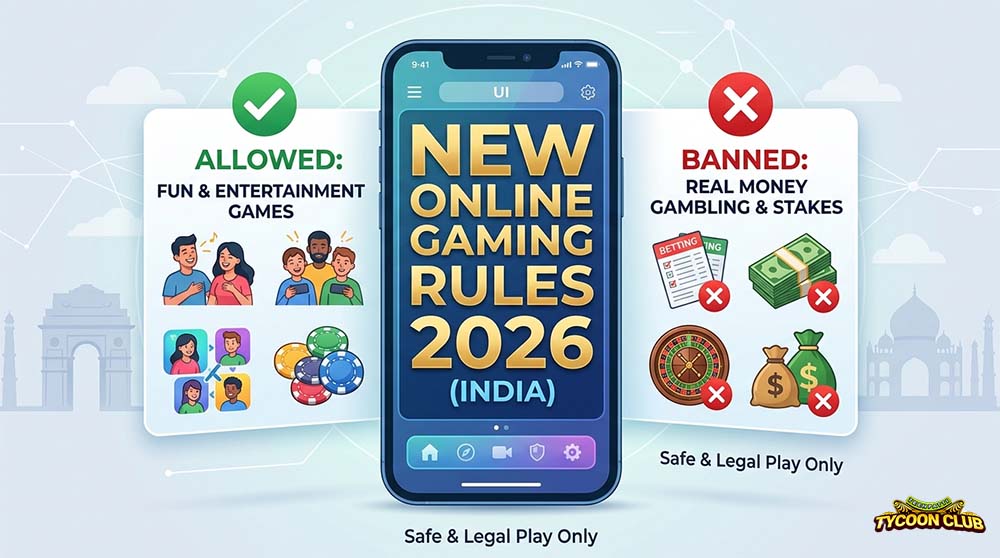
The 2025 Act was born out of a decade of legal ambiguity. For years, Indian courts debated the “Game of Skill vs. Game of Chance” doctrine. While the Supreme Court had historically protected certain formats, the 2025 legislation took a hardline stance on monetization.
The Act effectively banned the “Pay-to-Play” model for any game that involved a direct cash-out mechanism. This hit the “Big Three” of Indian gaming—Fantasy Sports, Online Poker, and Rummy—with devastating force. Within six months of the ban, the industry saw a 70% drop in active “paying” users, forcing a total reimagining of business goals.
2. The Survival of Tradition: The Case of the Teen Patti Game
In the wake of the ban, one might have expected traditional card games to vanish. On the contrary, the teen patti game has seen a massive resurgence, albeit in a completely different format.
From Gambling to “Social Play”
Historically, Teen Patti was synonymous with Diwali parties and high-stakes social betting. In the post-2025 era, developers have successfully transitioned the teen patti game into a “Social Casino” format.
- Virtual Economies: Instead of playing for INR, players now use “Gold Coins” or “Gems” that have no real-world monetary value.
- The Freemium Model: Revenue is now driven by cosmetic upgrades—customizable tables, luxury avatars, and “VIP” chat emotes.
- Global Reach: By removing the “real money” element, Indian developers have been able to launch these games on global app stores without the legal hurdles of international gambling laws.
The teen patti game remains a cultural staple because it taps into a fundamental human desire for social competition. By removing the financial risk, the industry has actually expanded the player base to include younger, more casual demographics who were previously deterred by the “gambling” stigma.
3. The New Revenue Pillars: Beyond the Entry Fee
With the “rake” or “entry fee” model gone, Indian gaming studios have turned to three primary monetization strategies to fill the multi-billion dollar void.
A. The “Ad-Tech” Explosion
India is now home to the world’s most sophisticated rewarded-video ad ecosystems. Instead of paying ₹50 to enter a tournament, a user watches a 30-second advertisement to gain “energy” or “lives.” Analysts predict that by the end of 2026, in-game advertising revenue in India will surpass ₹12,000 crore.
B. Brand Integration and Sponsorships
We are seeing “Deep Integration” where brands aren’t just showing ads; they are part of the game. In popular racing or strategy games, players might use “Tata Motors” vehicles or “Reliance” branded power-ups. This hyper-local sponsorship model provides a steady, predictable cash flow that isn’t dependent on player losses.
C. The Subscription Era (Game Pass Models)
Taking a cue from Netflix and Xbox, Indian platforms are launching “Gaming Passes.” For a small monthly fee, users get an ad-free experience, exclusive skins in their favorite teen patti game, and early access to new titles.
4. The Rise of E-sports and “Competitive Skill”
The 2025 Act made a clear distinction between “Monetized Wagering” and “Competitive E-sports.” This has led to a massive influx of VC capital into professional gaming leagues.
- Infrastructure Investment: 2026 has seen the opening of five major E-sports arenas across Bengaluru, Delhi, and Hyderabad.
- Olympic Aspirations: With E-sports becoming a medal event in international competitions, the Indian government has begun offering scholarships and training grants to top-tier gamers.
- The Genre Shift: Players are moving away from simple card games toward complex Multiplayer Online Battle Arenas (MOBAs) and Tactical Shooters, which are viewed as legitimate career paths rather than “habits.”
5. Challenges in the Post-Ban Era: The Gray Market
Despite the industry’s best efforts to pivot, a significant challenge remains: Offshore Shadow Platforms.
The 2025 ban led to a temporary migration of high-value players to illegal, offshore websites hosted in jurisdictions with lax regulations. These platforms continue to offer high-stakes versions of the teen patti game and poker, bypassing Indian taxes and player protection laws. Teen Patti Game APK Latest Version
The Indian government’s “Cyber-Strike” task force is currently working with ISPs to block over 5,000 such domains, but the “whack-a-mole” nature of the internet makes this an uphill battle. The industry argues that a “Regulate and Tax” model would have been more effective than a “Blanket Ban” in keeping players within the safe, domestic ecosystem.
6. Technological Innovations: Web3 and AI
To stay competitive, Indian gaming startups are leveraging cutting-edge tech:
- Generative AI: Studios are using AI to create infinite levels and personalized narratives, reducing game development costs by 40%.
- Blockchain (Non-Monetary): While crypto-betting is banned, blockchain is being used to verify the “Fair Play” of the teen patti game algorithms, ensuring that the virtual shuffling of cards is transparent and tamper-proof.
7. Looking Ahead: The 2027 Outlook
As we move toward 2027, the Indian online gaming industry is no longer just about “gaming.” It is a convergence of social media, live streaming, and interactive entertainment.
The companies that survived the 2025 purge are those that stopped viewing themselves as “digital casinos” and started seeing themselves as “digital community builders.” Whether it’s a high-octane E-sports tournament or a casual round of a teen patti game with friends, the focus has shifted from the “wallet” to the “experience.”
Key Takeaways for Stakeholders:
| Feature | Pre-2025 Model | Post-2025 Model |
| Primary Revenue | Player Entry Fees (RMG) | Ads, Subscriptions, IAPs |
| Core Demographic | 25-45 (Working Professionals) | 15-35 (Gen Z & Alpha) |
| Legal Status | Contested / Grey Area | Strictly Regulated / Social-First |
| Popular Titles | Fantasy Cricket, Rummy | E-sports, Social Teen Patti Game |
Conclusion
The 2025 ban was a painful “reset” button for the Indian gaming industry. While the immediate loss of revenue was staggering, the long-term result has been the birth of a more mature, transparent, and diversified sector. By decoupling “fun” from “financial risk,” India is building a gaming culture that is sustainable, inclusive, and globally competitive. The journey of the teen patti game from a gambling dens’ favorite to a social media staple is the perfect metaphor for this resilient industry.

Leave a Reply